Bridges
Fasteners for rail and road bridges
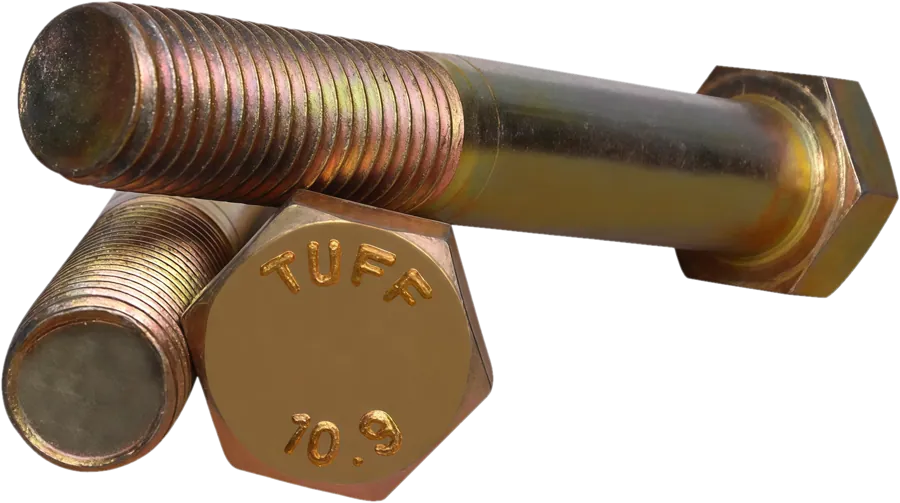
Structural bolting for bridge girders and connections, including road-over-bridges and foot-over-bridges over live railway lines. TUFF® HSFG bolts are made to IS 3757 and EN 14399, with tension control bolts whose sheared spline shows that installation tension was reached, and DTI washers to EN 14399-9 and ASTM F959.
TUFF products for this work
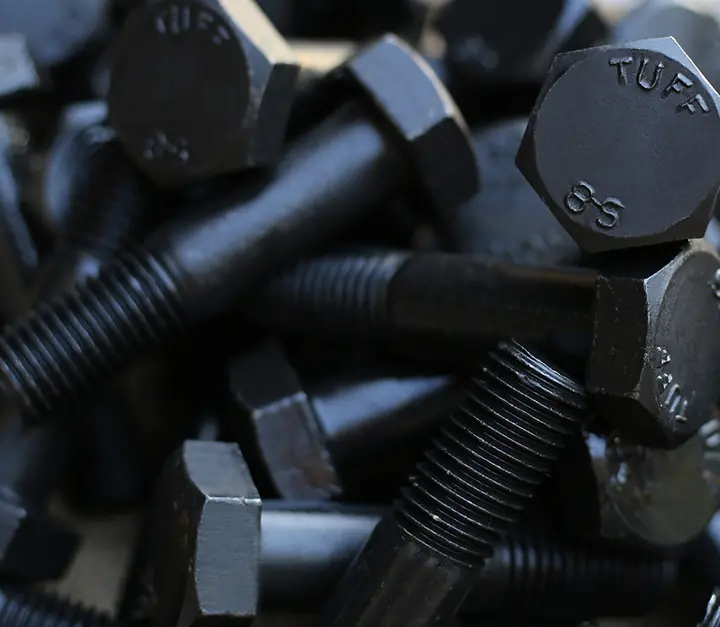 Heavy Hex BoltIS 3757, EN 14399-3, EN 14399-4 · M12 – M36, ½″ – 1½″
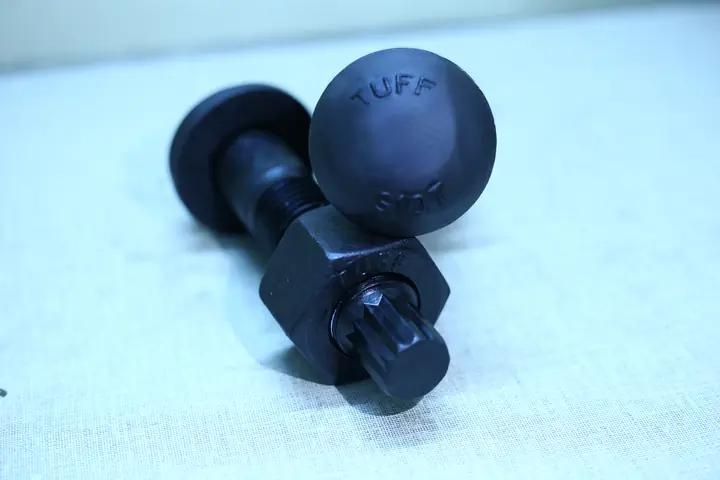 Tension Control BoltEN 14399-10, ASTM F3125, IS 3757 · M12 – M36
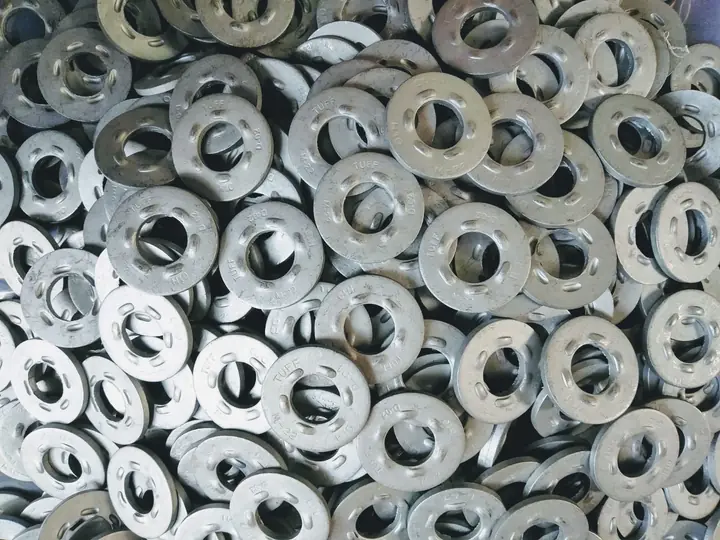 DTI WasherEN 14399-9, ASTM F959, BS EN 14399-9 · M12 – M36
- Chamfered / Machined WasherDIN 125-B, ISO 7090, IS 6649 · M8 – M100
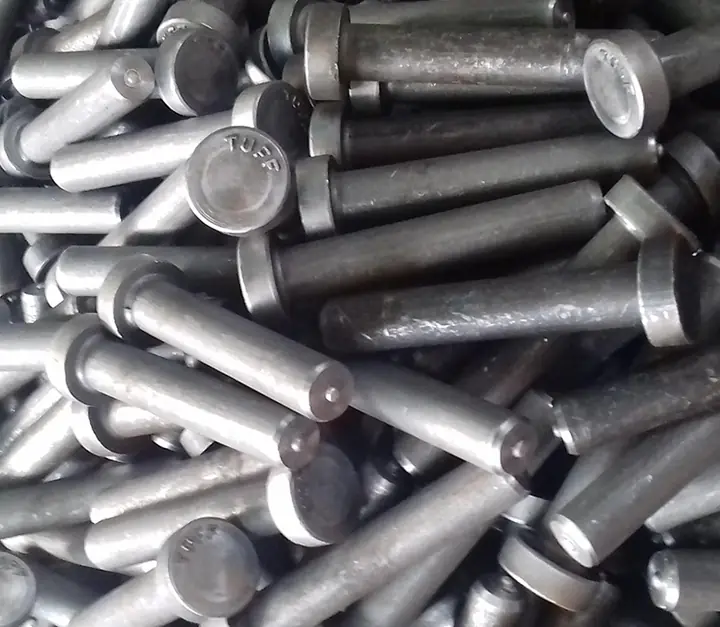 Shear ConnectorISO 13918, AWS D1.1, EN ISO 14555 · Ø10 – 25 mm
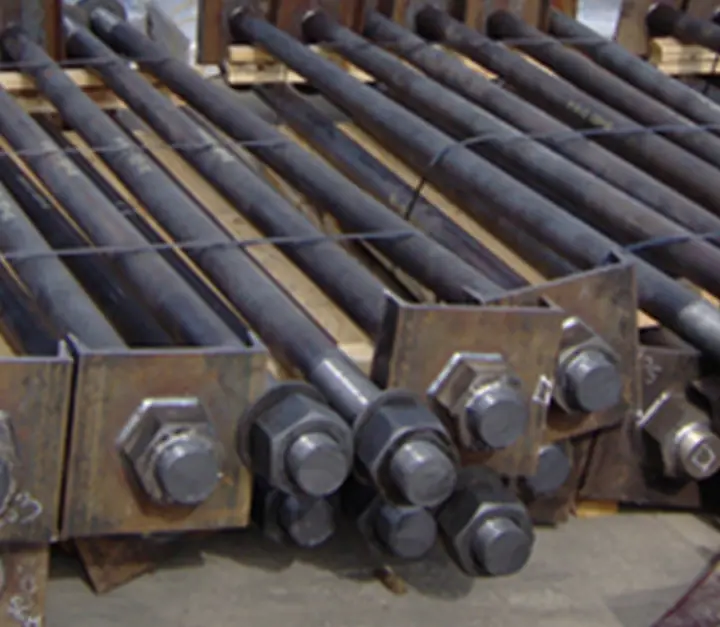 Foundation BoltIS 5624, DIN 529, ASTM F1554 · M8 – M72
Testing and inspection
Every lot is tested before dispatch to the applicable standard and the order's inspection plan, in our in-house laboratory accredited by NABL to ISO/IEC 17025:2017 for the tests in its scope. Lots have been inspected on customer orders by agencies including TÜV SÜD, TÜV NORD, Lloyd's Register, DNV, SGS, BVQI, RITES and EIL.
In an independent test by Element Materials Technology, Singapore (report T24-56832R, November 2024), one TUFF M22 class 10.9 HSFG bolt reached 1,221 MPa tensile strength against the ISO 898-1 minimum of 1,040 MPa. This is one sample; results vary by size, grade and lot, and the test certificate of each supplied lot governs. Read the test summary.
Test certificates
We issue test certificates with every lot. State the certificate type your order needs, for example EN 10204 3.1 or 3.2, in the enquiry.
Shipping terms
FOB, CIF or other terms, as agreed for the order.
Send an enquiry
Send the standard, grade, size, quantity, finish and the certificate type your order needs. Open the enquiry form or write to sales@tuffbolt.com.
Where TUFF fasteners have been used
- BridgesStructural fasteners for major rail and road bridge projects.
- Road-over and foot-over bridgesBolting for road-over-bridges and foot-over-bridges over live railway lines.
Questions
How does a Tension Control Bolt (TC Bolt) work?
A TC bolt has a splined (pintail) extension on the threaded end beyond the nut. A two-socket electric wrench engages: the inner socket grips the spline to prevent the bolt rotating, while the outer socket turns the nut. As the nut tightens, bolt tension increases. When the specified minimum preload is reached, the torque at the break groove exceeds the shear strength of the spline, which shears off cleanly, providing an immediate visual confirmation that minimum preload is achieved.
Can the sheared spline confirm bolt preload in an audit?
Partly. A sheared spline shows the tightening sequence was completed, but does not by itself prove the achieved preload. RCSC and EN 1090-2 require pre-installation verification of assemblies from each lot with a tension calibrator, plus snug-tight checks and visual confirmation that all splines are sheared.
What is the difference between EN 14399 HR and HV?
System HR (EN 14399-3), in classes 8.8 and 10.9, has a longer thread and a taller nut and is designed to fail by bolt elongation. System HV (EN 14399-4), class 10.9 only, has a short thread and a thinner nut, and thread stripping is an accepted failure mode. HR and HV components must not be mixed.
About the maker
- Fasteners since 1996Pioneer Nuts & Bolts Pvt. Ltd., brand TUFF®. Forging, heat treatment, machining and finishing in-house.
- 50 yearsMetallurgy and heat treatment, since 1976.
- IATF 16949:2016Certified quality management system.
- NABL labIn-house laboratory accredited by NABL to ISO/IEC 17025:2017 for the tests in its scope. Lots tested to the applicable standard.
- Japanese collaborationTechnical collaboration with Japanese fastener companies.
- 150+ testimonialsMore than 150 customer testimonials.