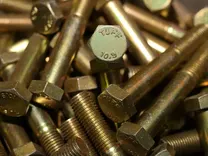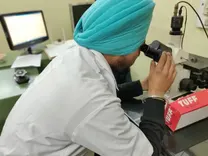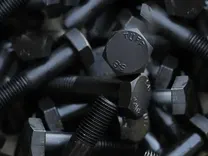

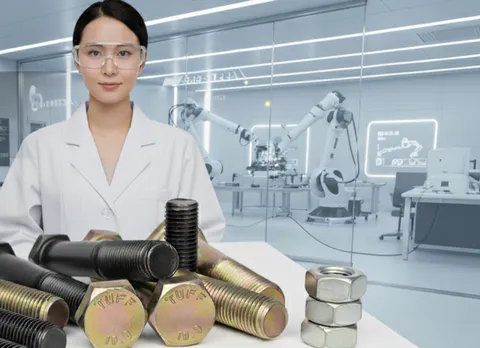
Tested for higher strength
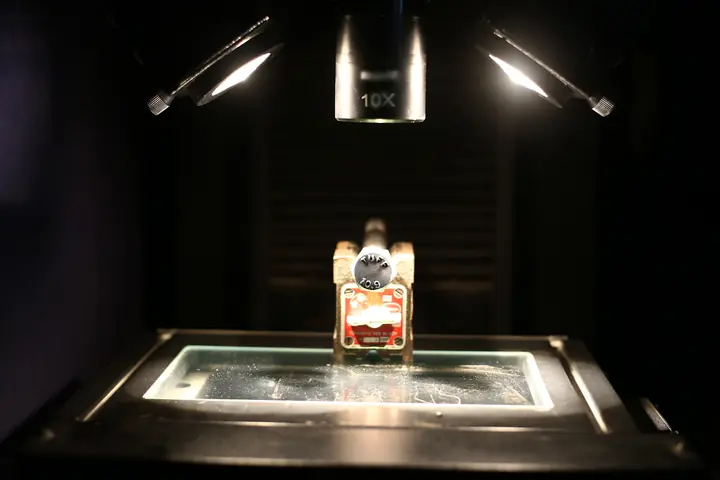
TUFF tested: independent test by Element Materials Technology, Singapore · Report T24-56832R, Nov 2024 · TUFF M22 class 10.9 HSFG bolt · 1,221 MPa, +17%
Bolts
Hex head boltHeavy hex boltHex screwHeavy hex screwAxle cap screwRound head screw / boltSquare head boltFlange boltCountersunk head screwSlotted CSK screwAllen head boltNuts
Hex nutHeavy hex nutLock nutPrevailing torque nutFS all-steel lock nutFlange nutCastle nutNylock nutJam nutWashers
TUFF interlock washerPlain washerBevelled / tapered washerChamfered / machined washerSpring washerDTI washerEar washer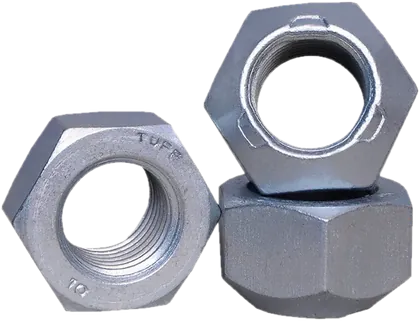
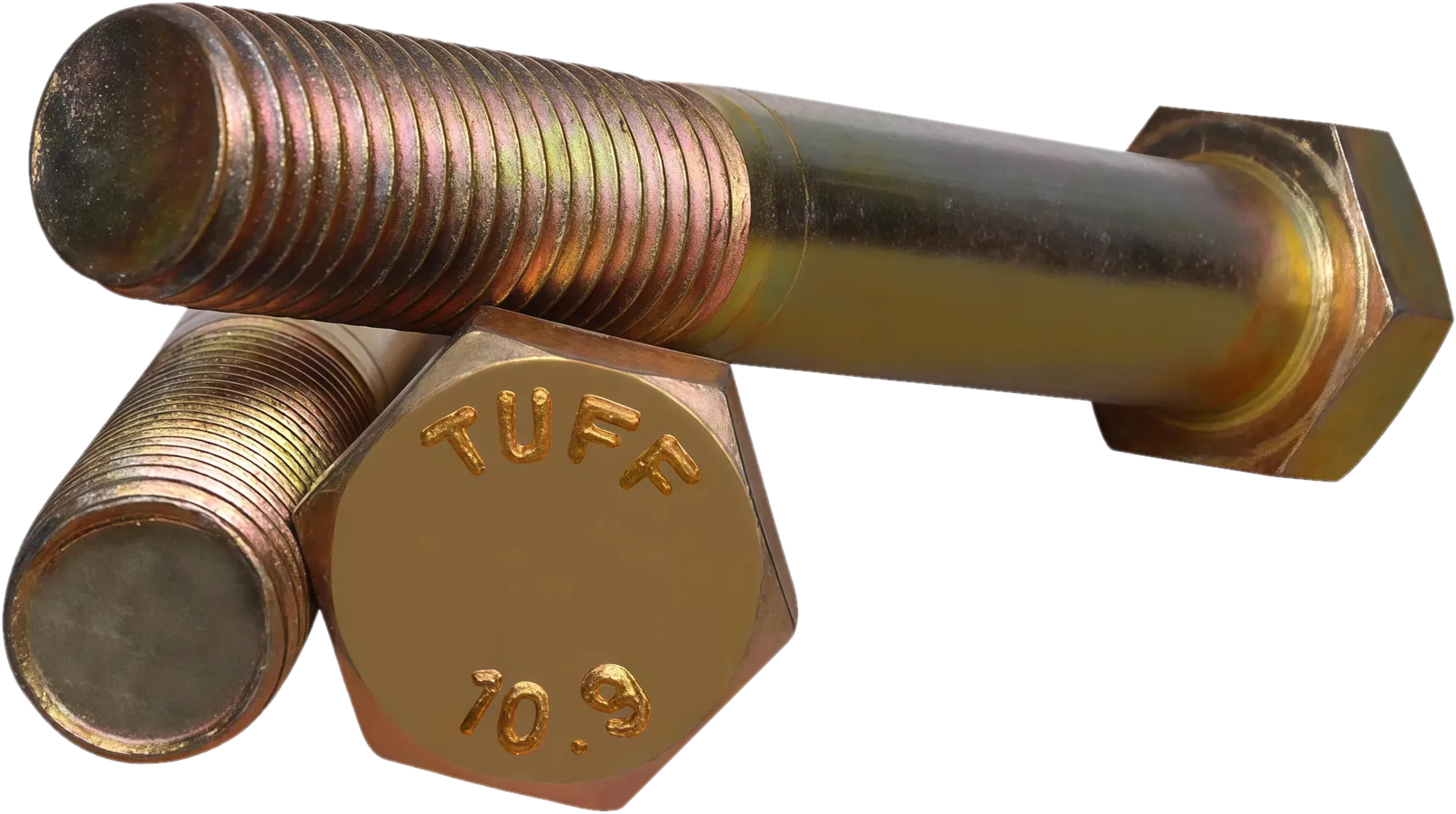
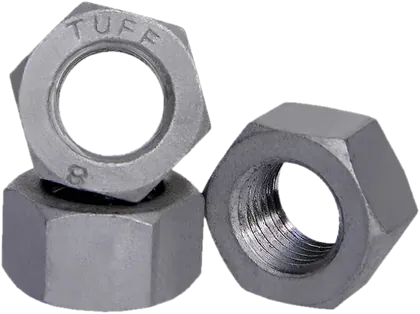
Pioneer Nuts & Bolts · Metallurgy since 1976 · Fasteners since 1996
High-tensile fasteners and engineered components. Forged, heat-treated, machined and tested in-house in our NABL-accredited laboratory. Brand TUFF®, for tough joints.
1976 Our founder starts critical heat treatment
Why TUFF · Proof, not claims
TUFF tested: independent test by Element Materials Technology, Singapore · Report T24-56832R, Nov 2024 · TUFF M22 class 10.9 HSFG bolt · 1,221 MPa, +17%
Peace of mind in every lot.
NABL TC-7820
 ◎
Automotive-grade quality system across the plant.
 ⬢
Forging, heat treatment, CNC machining and finishing under one roof.
 ★
Metallurgy and heat treatment since 1976, including work for Hero, Honda and Maruti. Fasteners since 1996.
With Japanese companies, including DISGO® chrome-free anti-corrosion coating (Nihon Ruspert, Japan).
Customers · In their words
From customer letters and emails, originals on file. Names withheld.
“We used TUFF brand fasteners in a refinery modernisation project. Their quality is good, supply and delivery are satisfactory.”
“The attached technical sheets demonstrate a very high level of professionalism and quality.”
“Thanks for drawing our attention to this, we are amending the PO.”
We pointed out that the finish required cost less and asked them to reduce the price.
“Heartiest congratulations to the whole Pioneer team for making it possible to dispatch the items by 1/9/2016. Keep up the good work.”
“Thanks for close follow-up and commitment.”
“Certified that all the supplies executed by M/s Pioneer Nuts and Bolts Pvt Ltd are satisfactory.”
Certificate copies on request.
Range · Five product families
To national and international standards, or to your drawing. Each card opens the full specification.
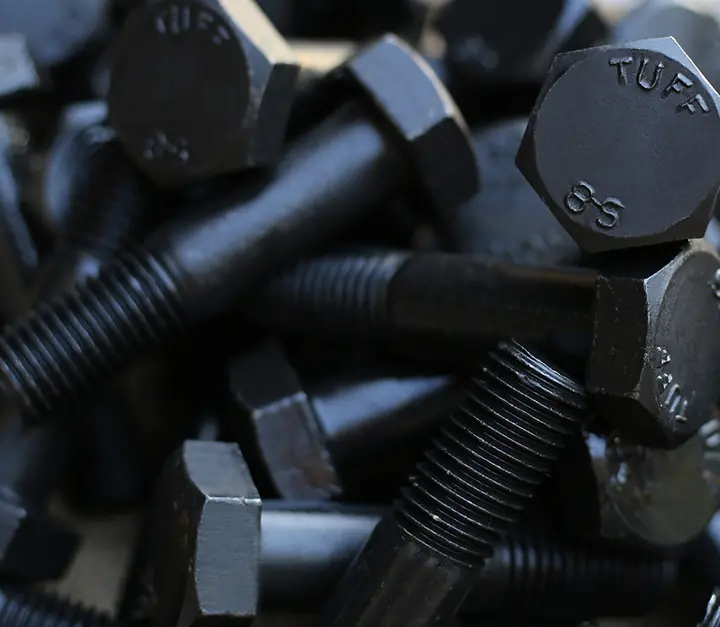
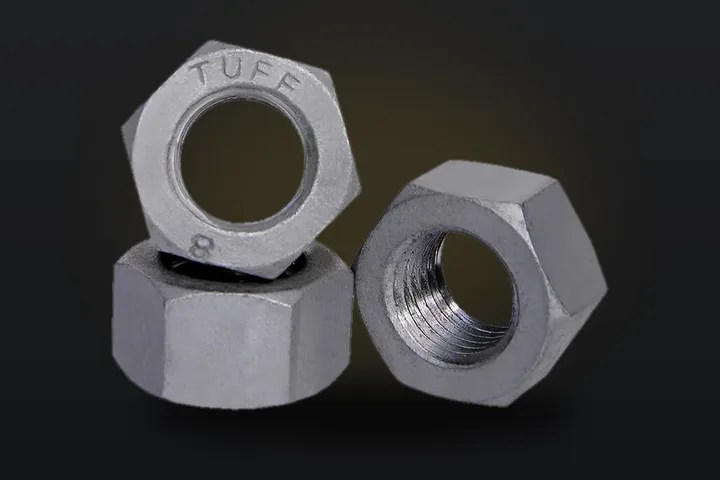
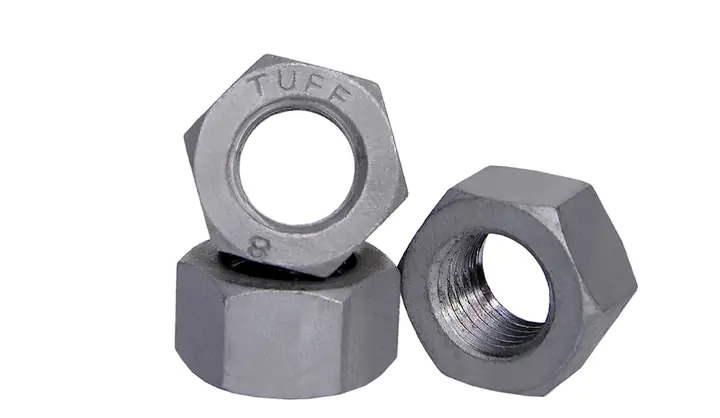
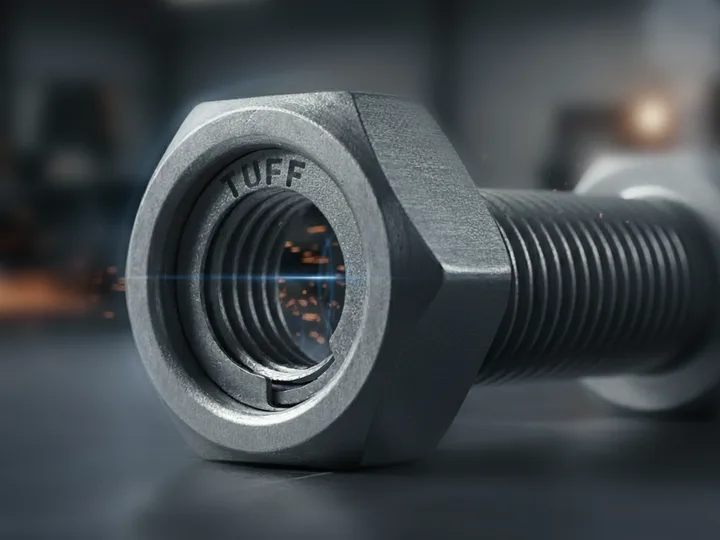
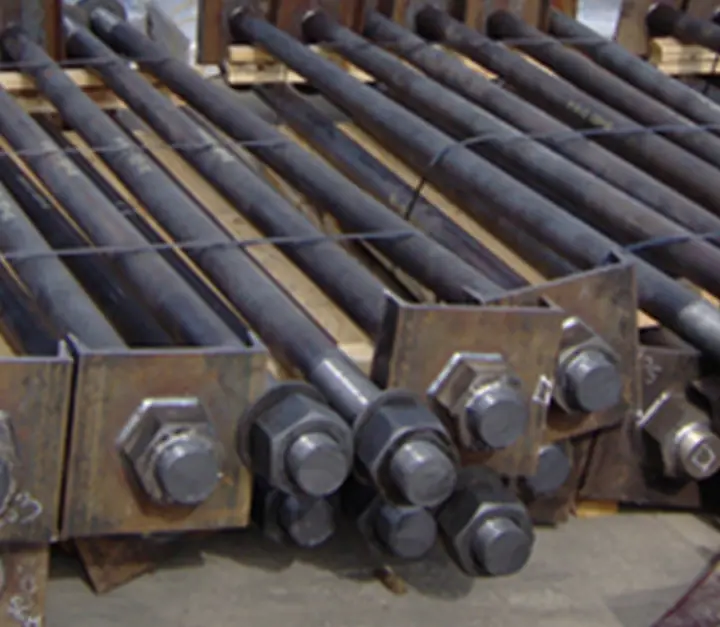
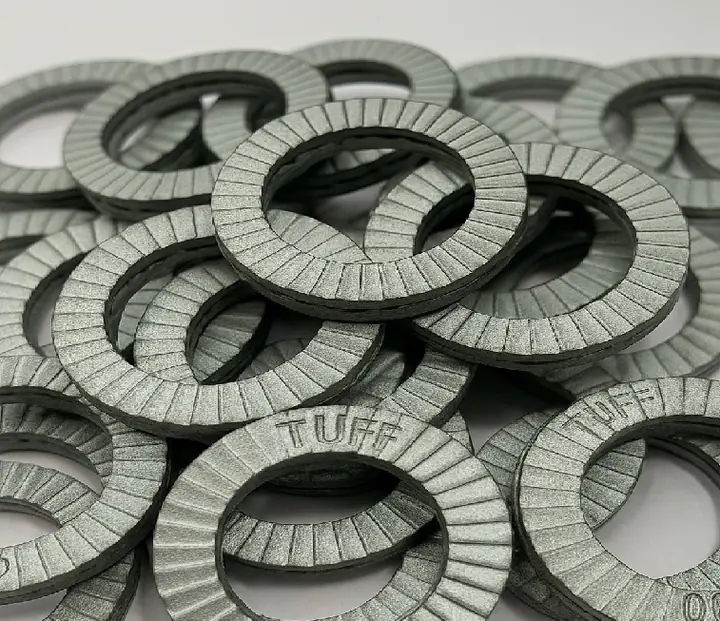
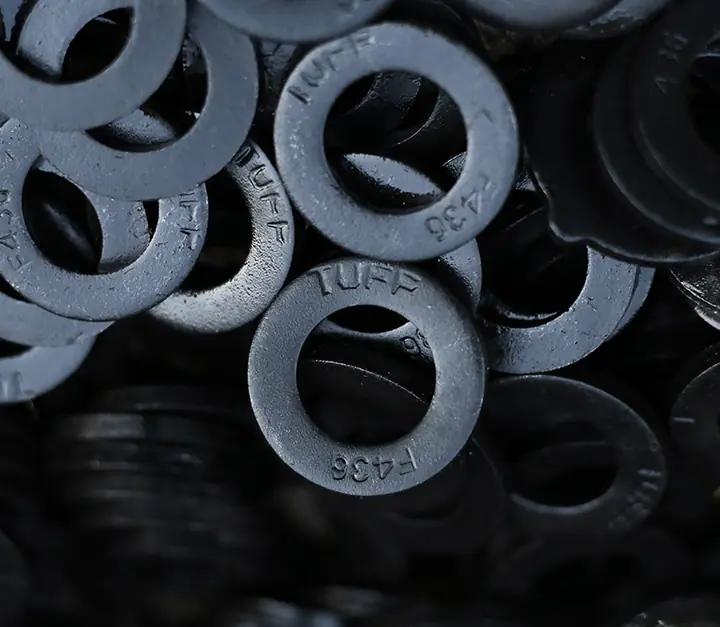
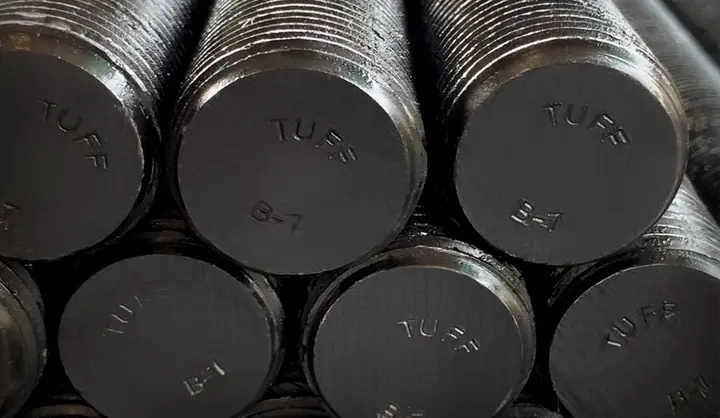
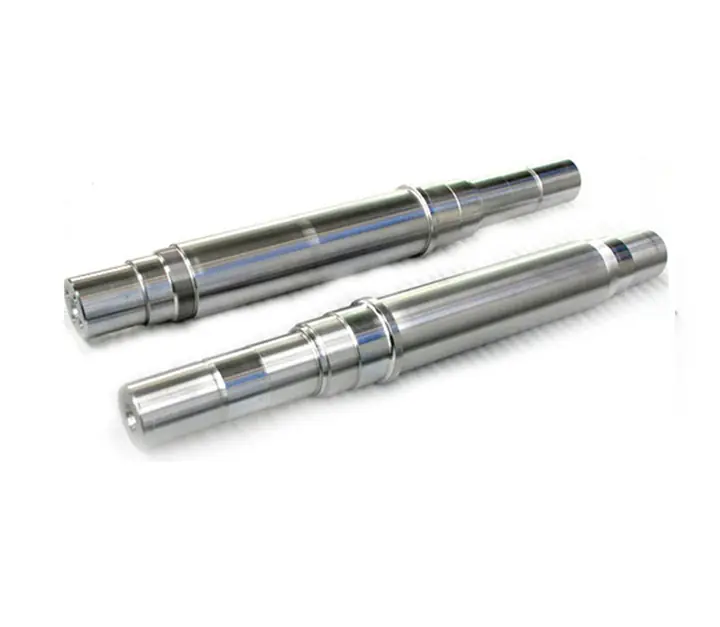
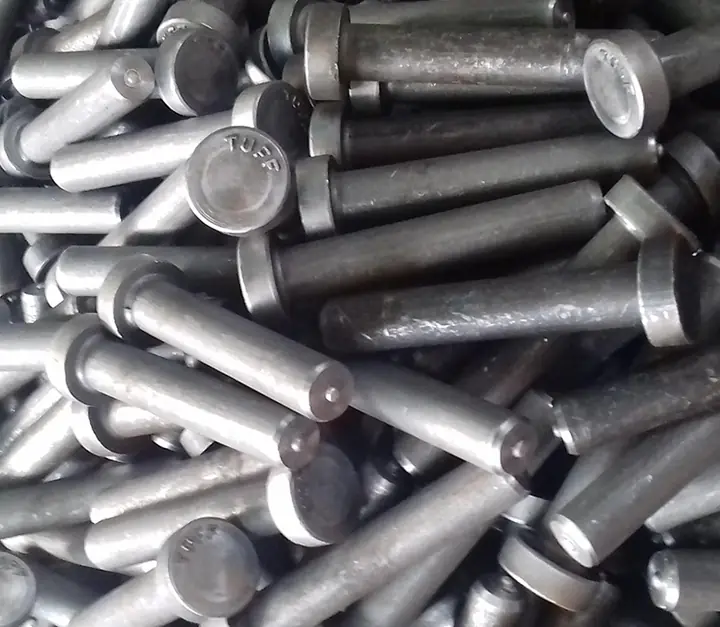
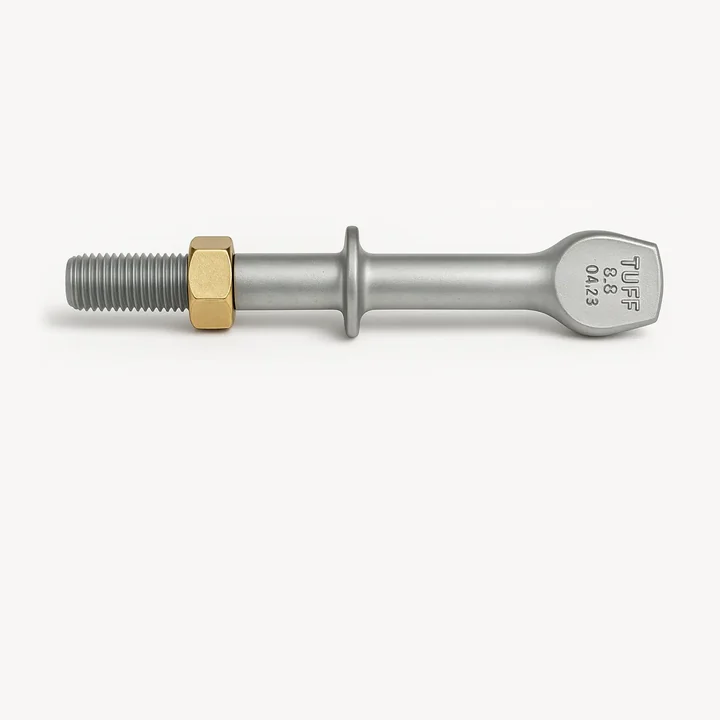
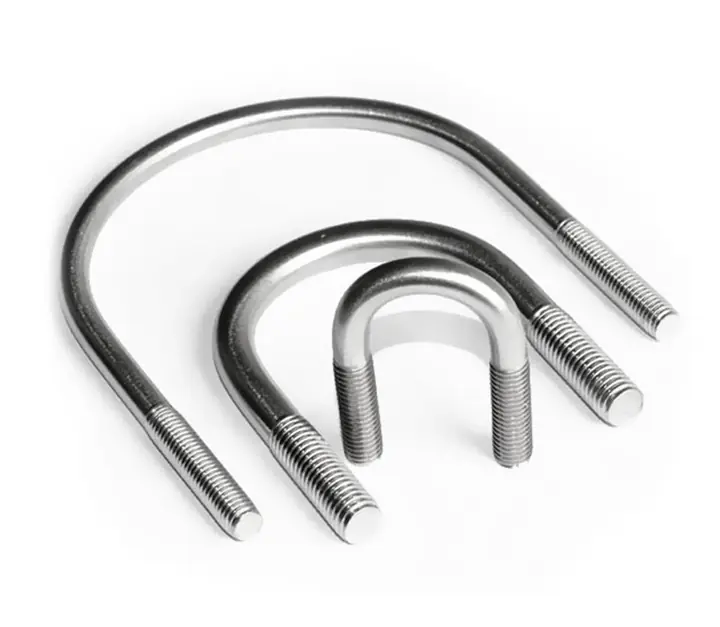
Hex screwHeavy hex screwAxle cap screwSquare head boltFlange boltAllen head boltHex nutCastle nutSpring washerBevelled washerFitted boltTrunnion pinRivetAll 37 products →
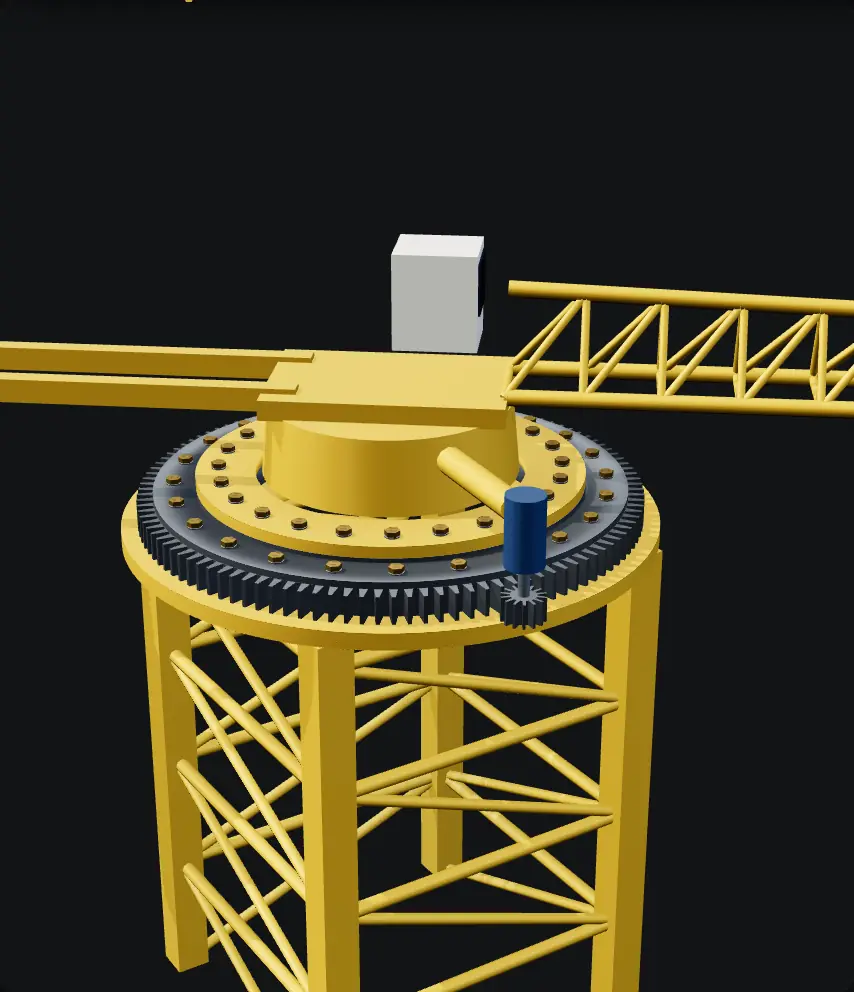
Critical joints · Where TUFF holds
Strength · Minimum breaking load
Pick a size and a property class. These are the ISO 898-1 minimums a bolt must reach. Every TUFF lot is tested in our lab against them before it ships.
Thread size (coarse)
Property class
Load = stress area × ISO 898-1 minimum stress. Stress area 157 mm². Indicative; the order drawing and test certificate govern.
Same size, different strength. The grade is chosen for the joint, and it has to be proven.
Every bolt on a coach running at 160 km/h is under load. The number on the head gives its strength: for class 10.9, 10 × 100 = 1,000 MPa nominal tensile strength (ISO 898-1 minimum 1,040 MPa), and .9 means yield is 90% of that: 900 MPa nominal (minimum 940 MPa). One M16 class 10.9 bolt in a tensile test: in the elastic zone it stretches and springs back; past yield it stretches for good, so joints are designed to work well below this. Minimum breaking load 163 kN, about 16.6 tonnes. Same size, different strength: M16 minimum breaking load is 125 kN for class 8.8, 163 kN for 10.9 and 192 kN for 12.9 (ISO 898-1). The grade is chosen for the joint and has to be proven.
Product focus · TUFF interlock washer
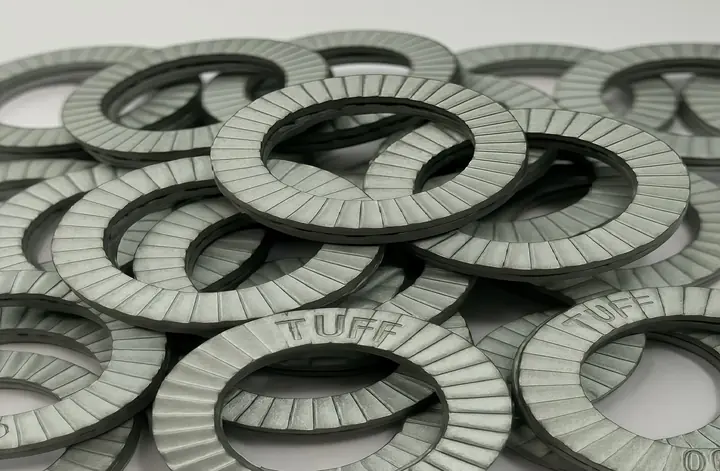
Our wedge-locking washer pair. When a joint is shaken and the bolt starts to turn loose, the cams lift and pull the bolt tighter instead of letting it go.
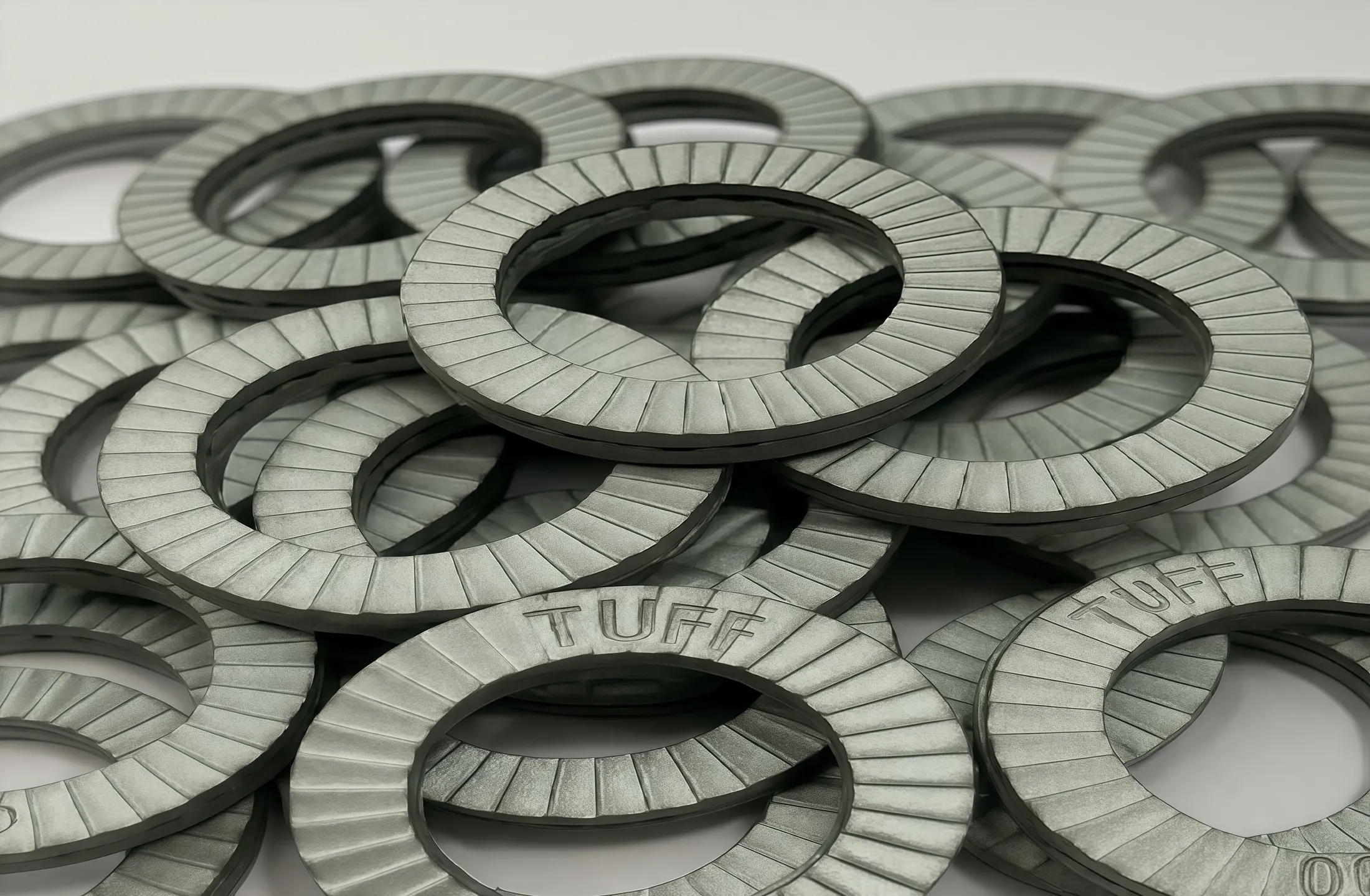
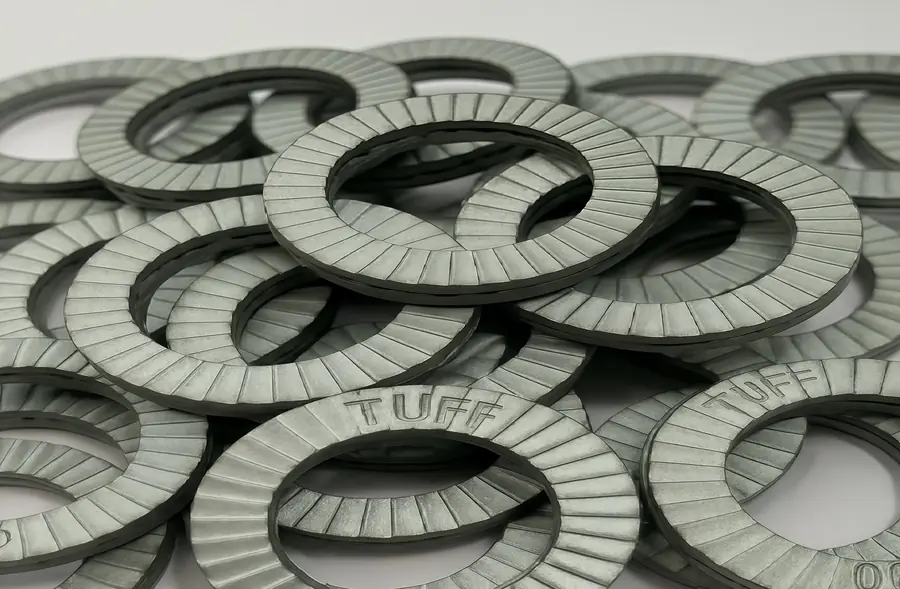
Each TUFF interlock washer is a pair. Radial serrations on the outer faces bite into the bolt head and the joint surface, so neither face can slip.
Between the two washers sit matching cam faces. The cam angle α is larger than the thread pitch angle β.
When vibration tries to turn the bolt back, the upper washer can only move by climbing the cams. That climb stretches the bolt more than the thread can release, so tension rises and the joint holds.
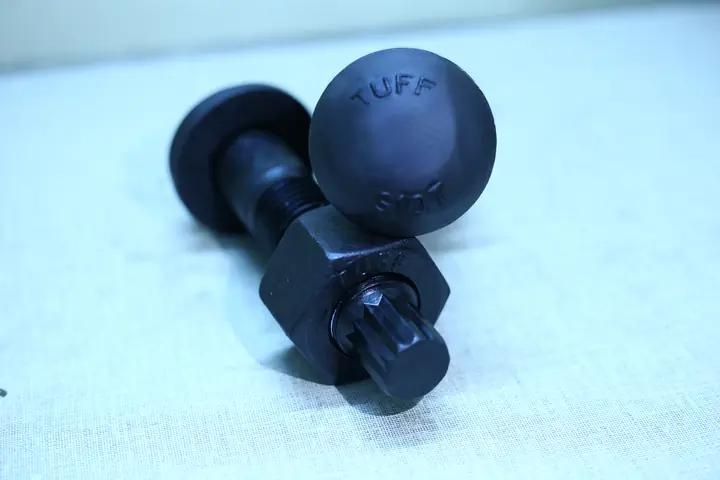
Product focus · TUFF tension control bolt, S10T
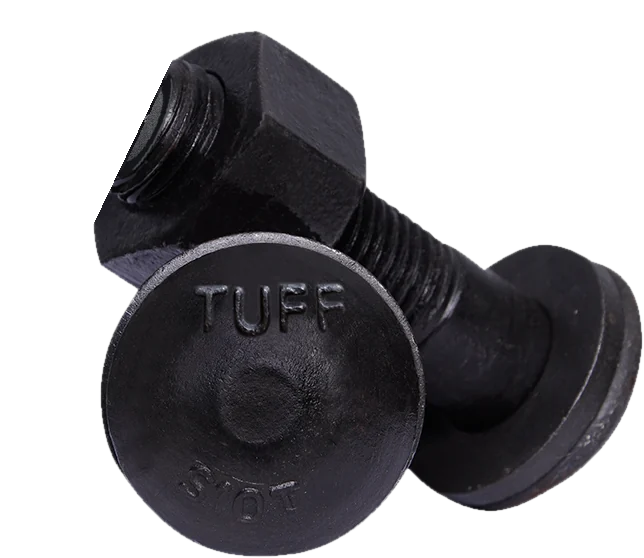
Twist-off structural bolts for steel frames, bridges and towers. The spline shears off when the bolt reaches installation tension, so every installed bolt can be checked by eye.
The shear wrench's outer socket grips the nut. The inner socket holds the splined end of the bolt.
The outer socket turns the nut while the inner socket reacts against the spline. The bolt and tool geometry control the tension, not a torque setting.
When installation tension is reached, the spline breaks off at its groove. A missing spline is visible proof that the bolt is correctly installed.
Quicker than calibrated-wrench tightening, consistent tension from bolt to bolt, and inspection by eye on large structures. TUFF TC bolts are forged, heat-treated and tested in-house.
Custom engineering · To drawing and specification
We manufacture special fasteners, shafts, foundation assemblies and machined components to customer drawings, alongside our standard TUFF range. One plant, one quality plan, one lab.
Capability
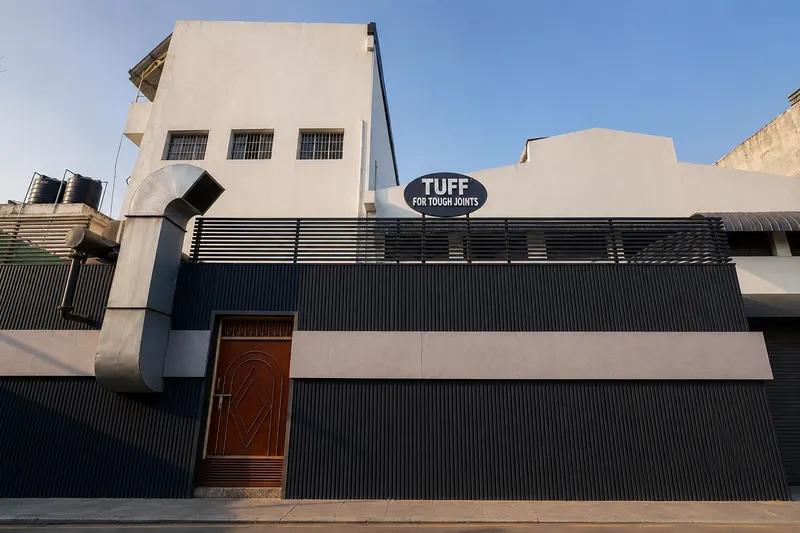
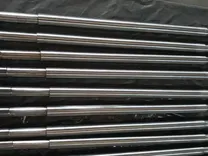
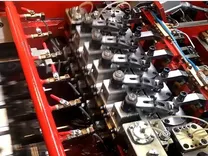
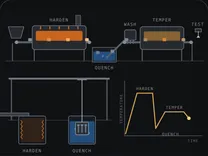
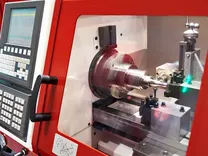
Process · One roof, one quality plan
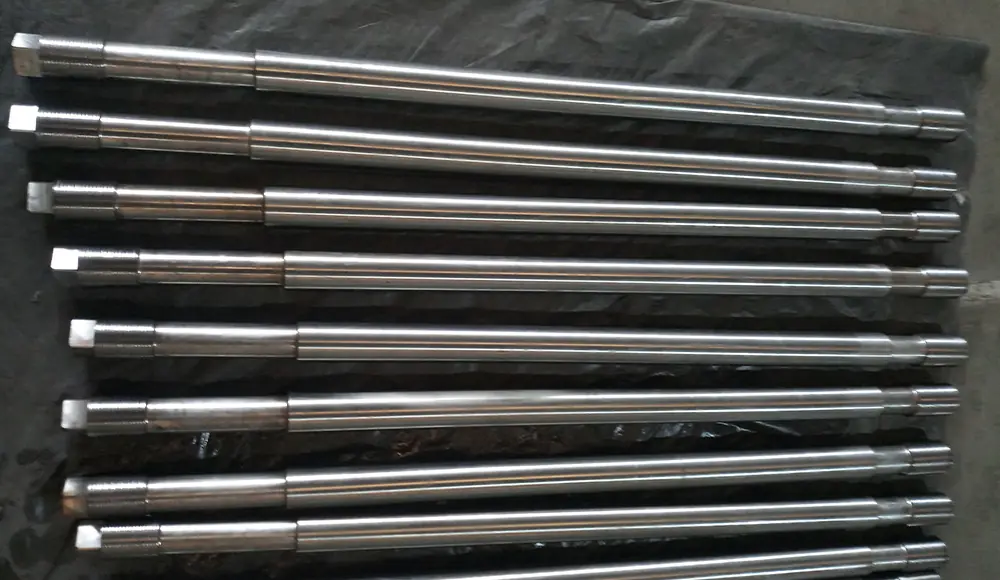
Every bar PMI-checked before use.
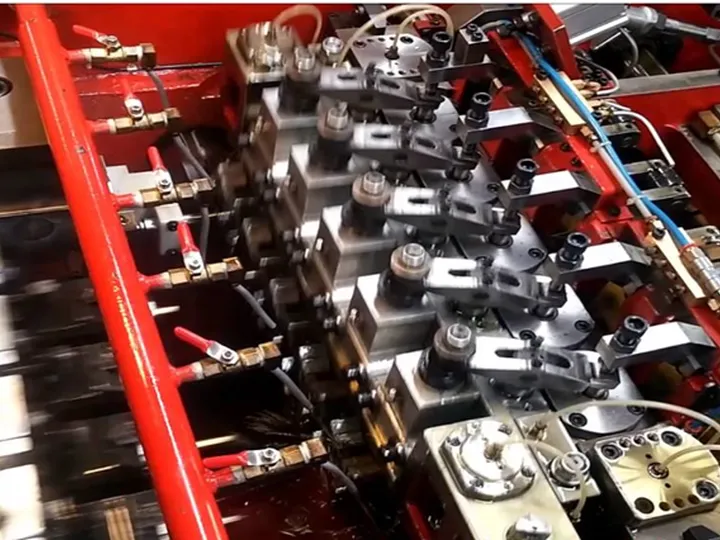
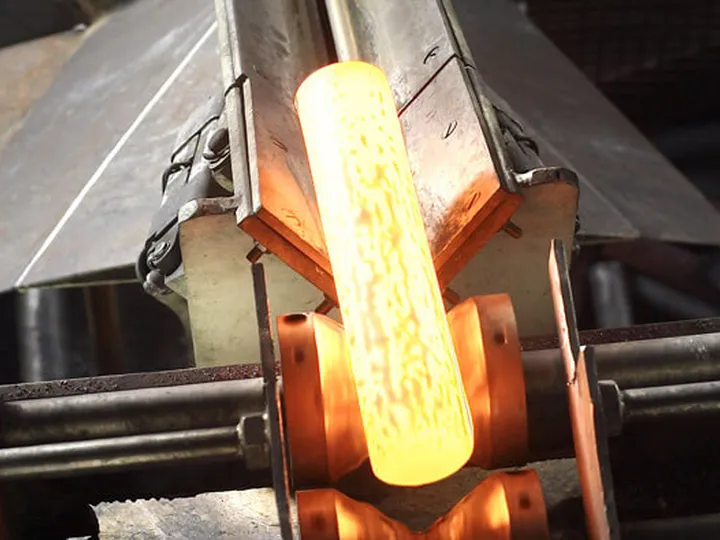
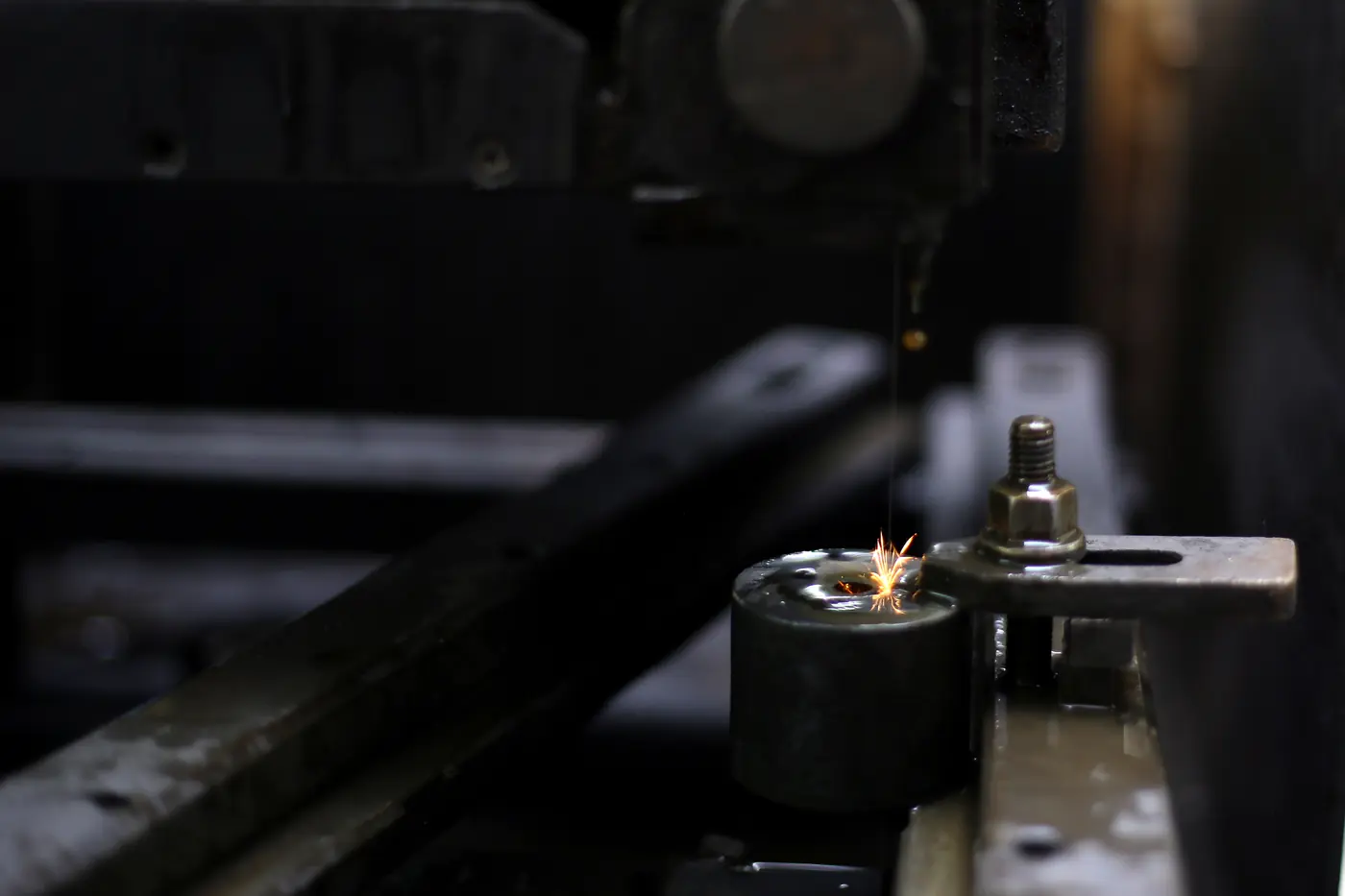
Screw-press forging of heads.
Large, separate units to IS / ISO norms.
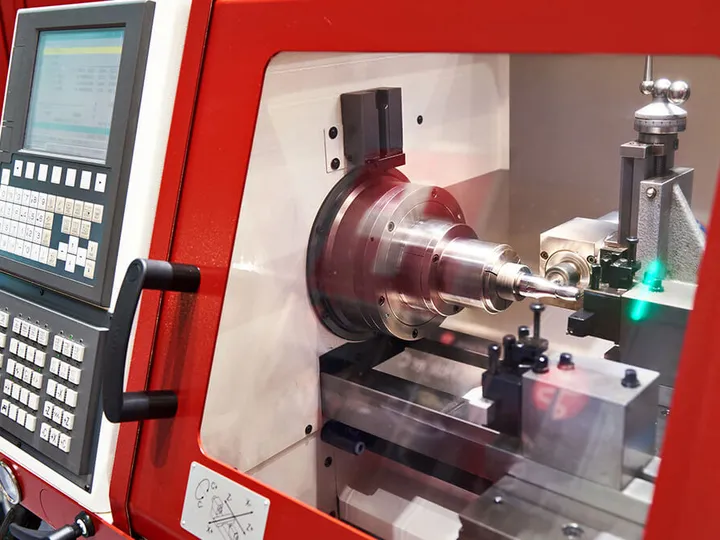
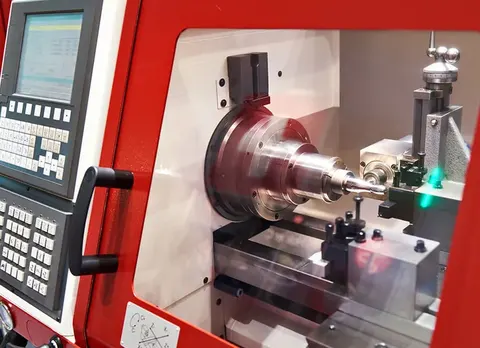
CNC turning and threading.
Black, zinc and yellow-zinc finishes.
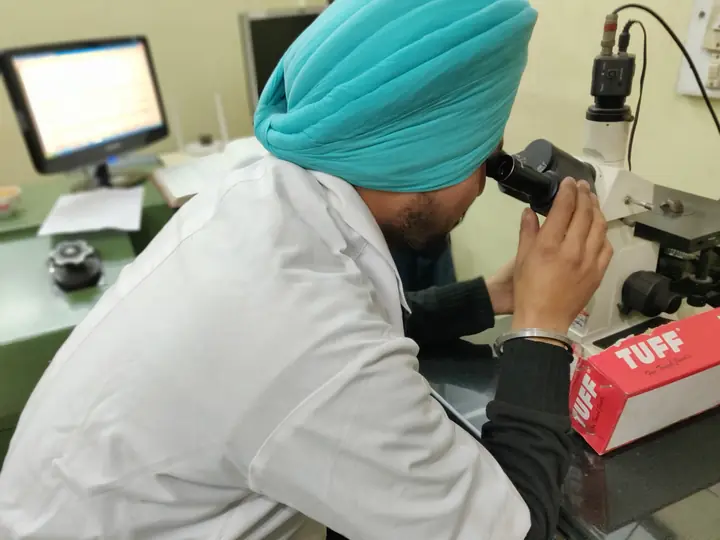
Every lot tested before dispatch.
Dispatch against committed dates.
Lab · ISO/IEC 17025:2017 accredited
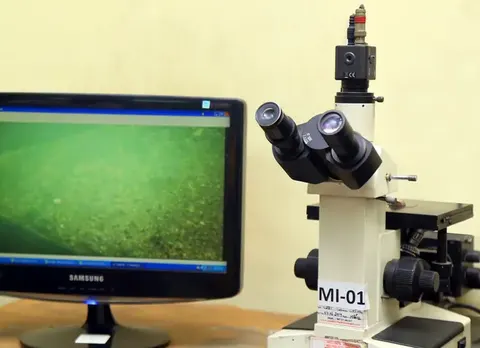
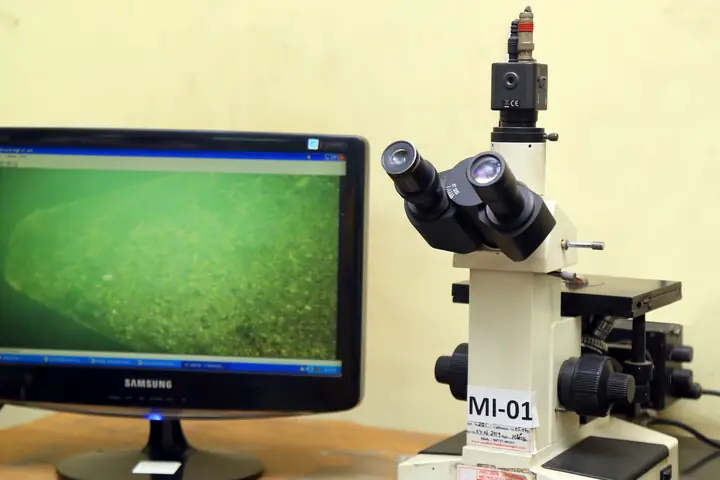
In-house NABL laboratory, accredited to ISO/IEC 17025:2017. NABL is a signatory to the ILAC Mutual Recognition Arrangement, which supports recognition of accredited reports by other signatory bodies; acceptance for an order is subject to the purchaser's requirements.
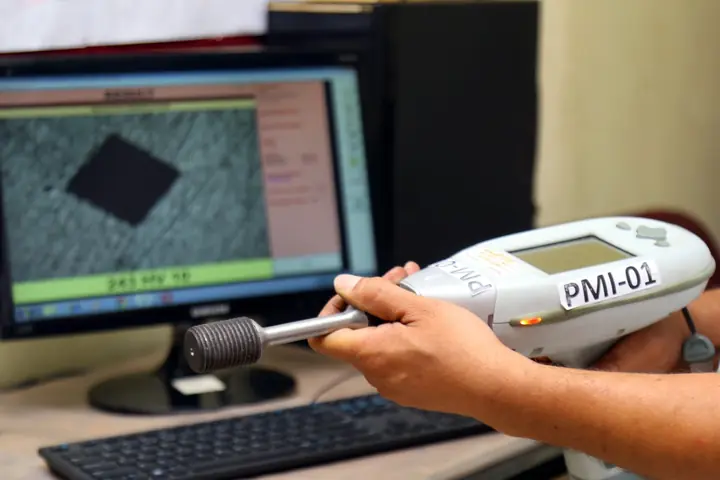
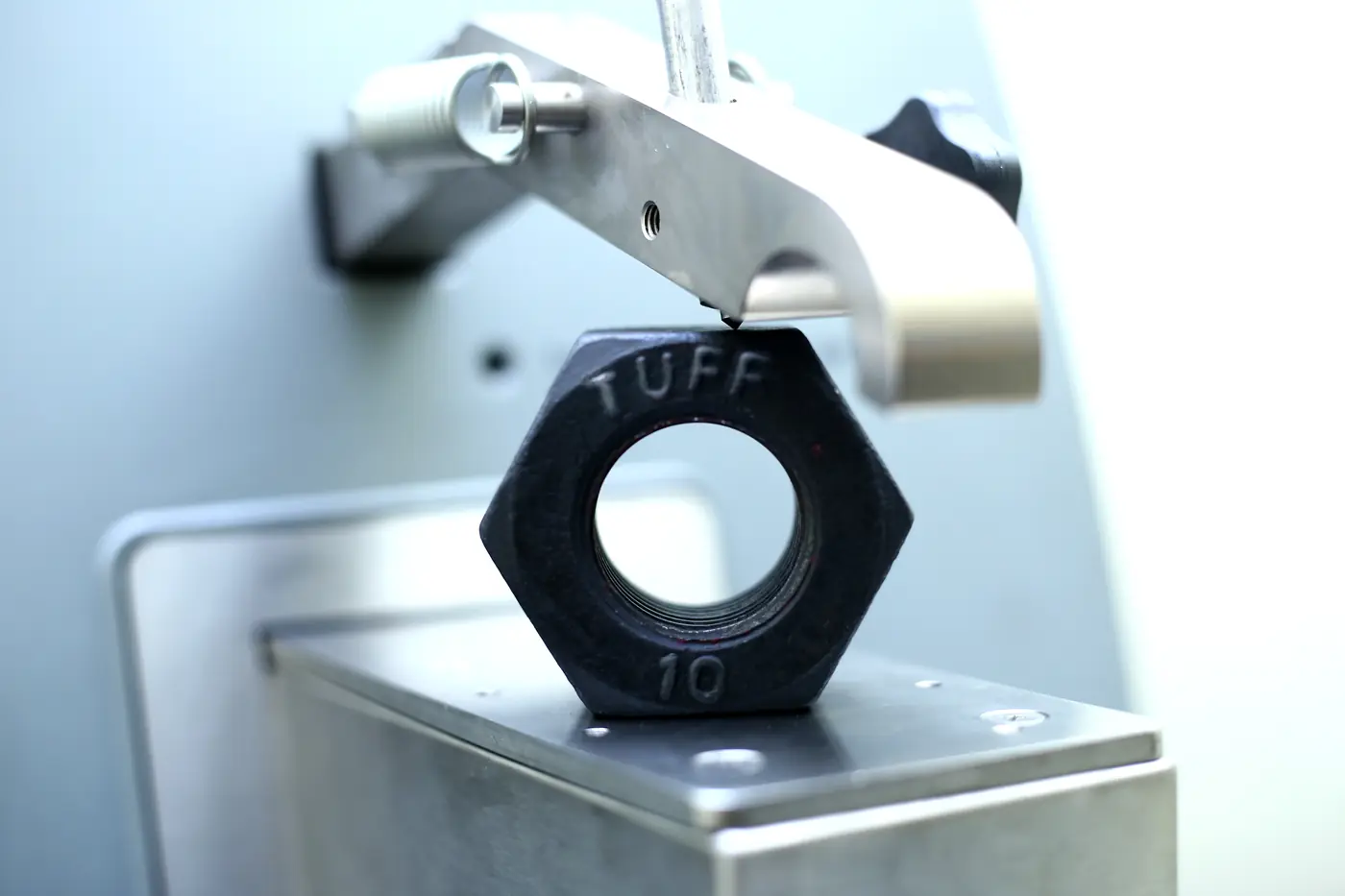
Stronger than ISO asks. Up to 17% beyond the ISO requirement in testing.Element Materials Technology, Singapore, report T24-56832R: TUFF M22 class 10.9 bolt, 1,221 MPa against 1,040 MPa required (+17%). Each lot is certified on its own results.
Sectors · Where TUFF goes in
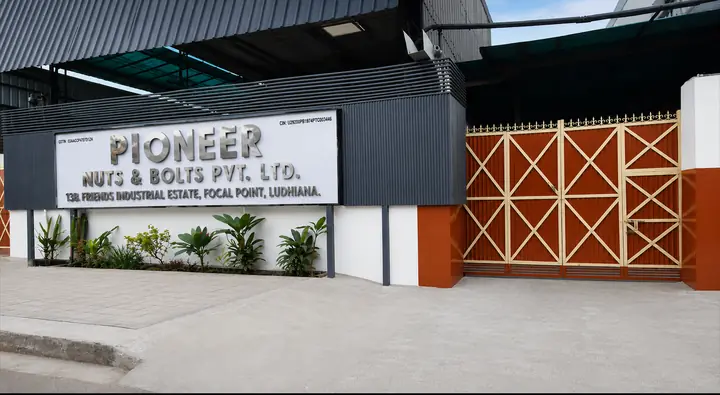
Company · Pioneer Nuts & Bolts Pvt. Ltd.
We have been in heat processing and metallurgy for 50 years. Our founder began critical heat-treatment work for automotive makers in 1976; fasteners under the TUFF® brand followed in 1996. That base still runs the shop: material is checked before use, heat treatment is in-house, and every lot is tested before dispatch.

FAQ · For buyers and engineers
High-tensile and stainless steel industrial fasteners under the TUFF brand: hex and heavy hex bolts, nuts including heavy hex and all-metal lock nuts, TUFF interlock anti-loosening washers, DTI and hardened washers, tension control bolts, anchor and foundation bolts, shear connectors, U-bolts, studs, shafts, and special parts made to customer drawings.
Under ISO 898-1, an M16 coarse-thread bolt of class 10.9 must reach at least 163 kN (about 16.6 tonnes), with a proof load of 130 kN. Class 8.8 is 125 kN; class 12.9 is 192 kN. Use the calculator above for other sizes.
Each washer pair has cams on the inner faces, with a cam angle α larger than the thread pitch angle β. When vibration tries to rotate the bolt loose, the cams ride up and bolt tension rises instead of falling, so the joint locks itself.
A shear wrench turns the nut while holding the splined end. When the bolt reaches installation tension, the spline shears off at its groove. A missing spline shows the bolt is installed, so inspectors can check every bolt by eye. TUFF TC bolts carry the S10T head marking.
Our in-house laboratory is NABL-accredited to ISO/IEC 17025:2017. NABL is a signatory to the ILAC Mutual Recognition Arrangement, which supports recognition of accredited reports by other signatory bodies; acceptance for an order is subject to the purchaser's requirements.
DISGO® is a chrome-free, high-corrosion-resistance coating technology from Nihon Ruspert Co., Ltd., Japan. It is applied without causing hydrogen embrittlement, which makes it suitable for high-strength bolts.
TUFF bolts, nuts and washers are made from M8 up to M160, depending on the product and standard. Each product page lists the sizes we make. Non-standard parts are made to drawing.
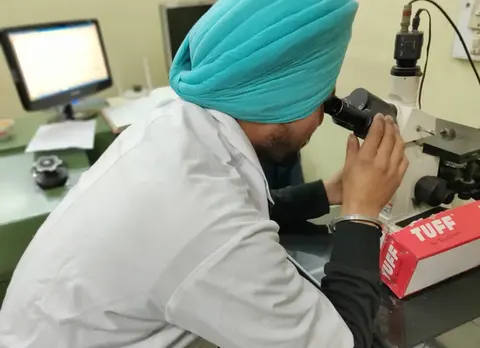
Yes. Every lot is tested before dispatch to the applicable standard and the order's inspection plan, in our in-house laboratory accredited by NABL to ISO/IEC 17025:2017 for the tests in its scope.
Yes. Lots have been inspected on customer orders by agencies including TÜV SÜD, TÜV NORD, Lloyd's Register, DNV, SGS, BVQI, RITES and EIL.
In an independent test by Element Materials Technology, Singapore (report T24-56832R, November 2024), one TUFF M22 class 10.9 HSFG bolt reached 1,221 MPa tensile strength against the ISO 898-1 minimum of 1,040 MPa (17.4% above the minimum), with hardness 33.6 HRC and fracture in the free thread. This is one sample; results vary by size, grade and lot, and the test certificate of each supplied lot governs.
Under ISO 898-1, class 8.8 must reach 800 MPa tensile strength and 640 MPa yield up to M16 (830 and 660 MPa above M16). Class 10.9 must reach 1,040 MPa tensile and 940 MPa yield. The first number is one hundredth of the nominal tensile strength in MPa; the second gives yield as a share of tensile strength. 10.9 is quenched and tempered alloy or boron steel and is more sensitive to hydrogen embrittlement, so the coating has to be chosen with care.
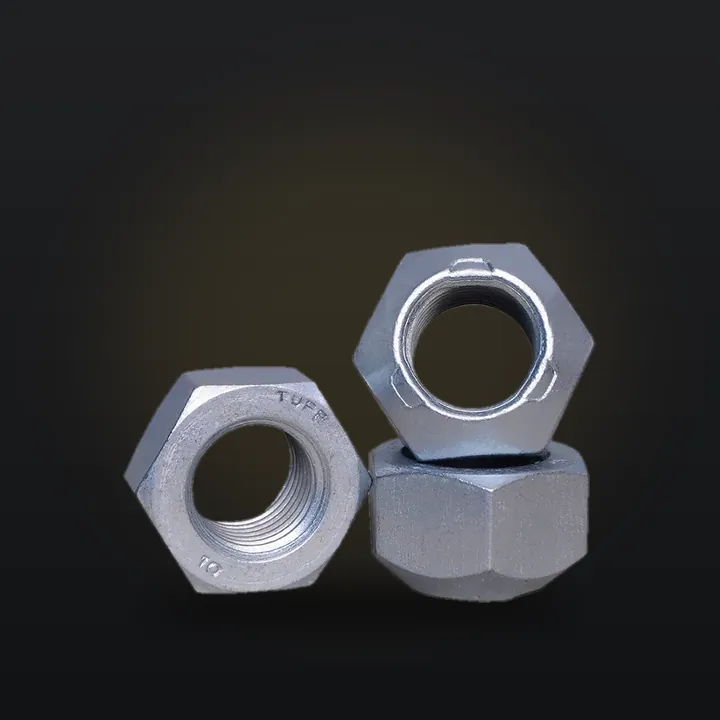
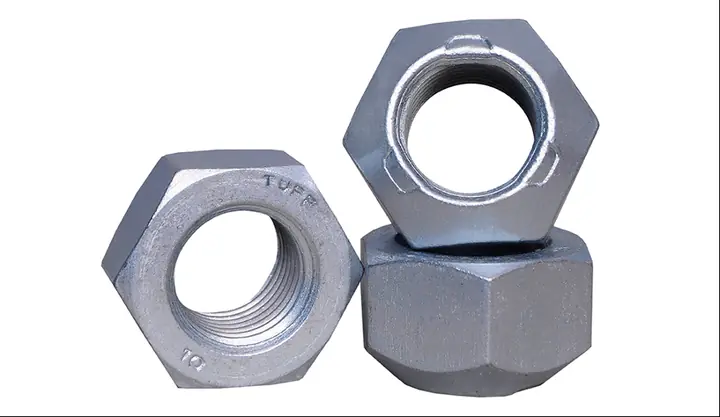
ISO 898-2 pairs a class 10 nut with a 10.9 bolt, a class 8 nut with an 8.8 bolt and a class 12 nut with a 12.9 bolt. A nut of a higher class may always replace a lower one. The pairing makes the bolt break before the nut threads strip; thin nuts with reduced loadability do not give this assurance.
Proof load is the load a full-size bolt must carry without measurable permanent extension. It is the practical check of yield on a finished bolt. For class 10.9 the ISO 898-1 proof stress is 830 MPa; an M16 bolt therefore has a proof load of 130 kN.
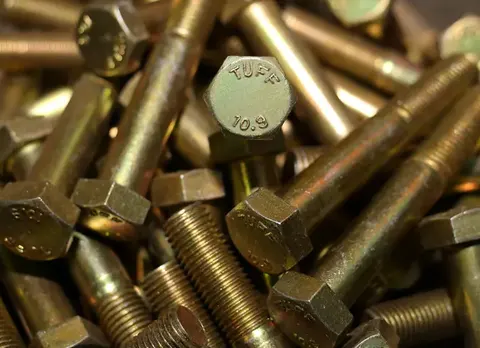
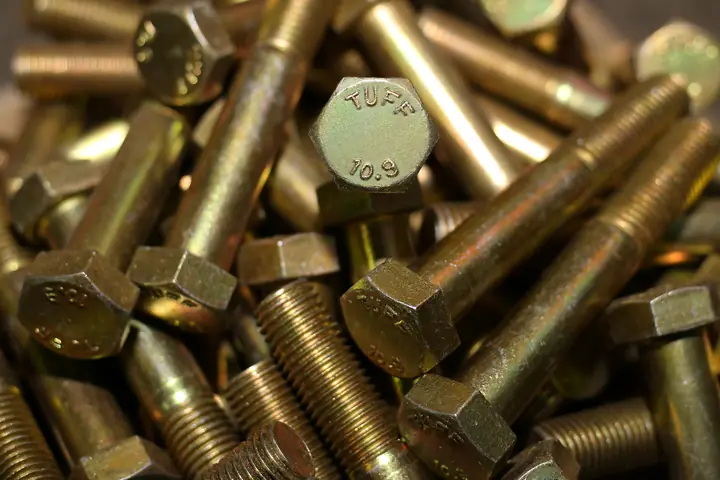
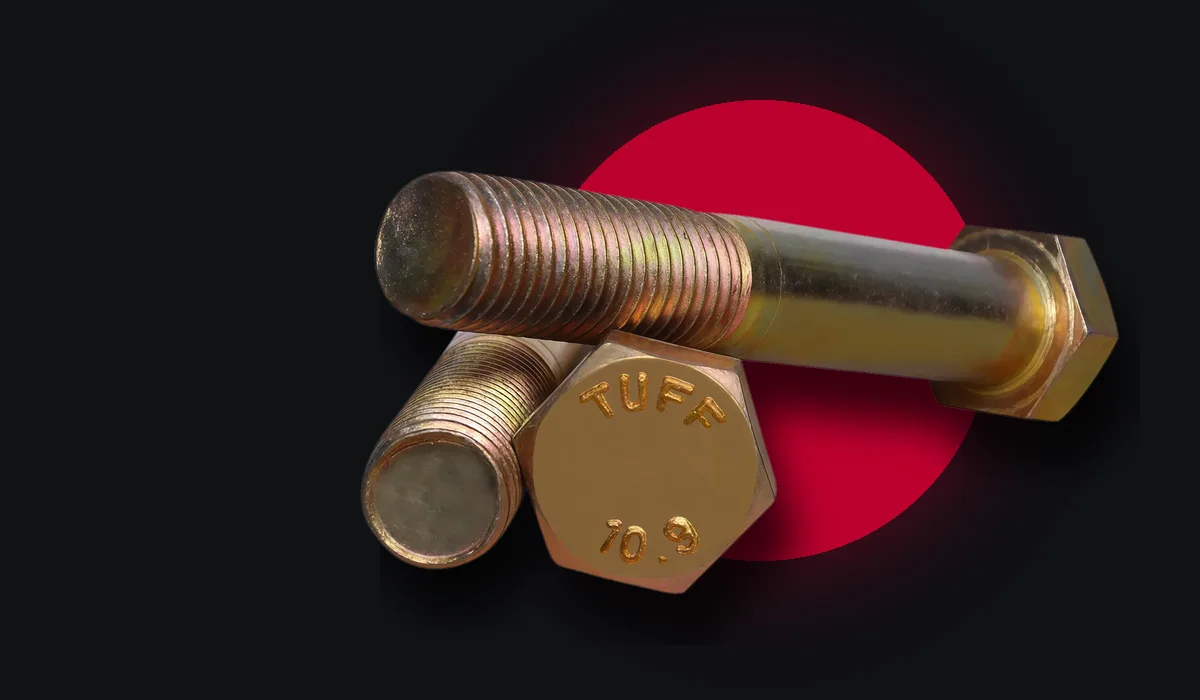
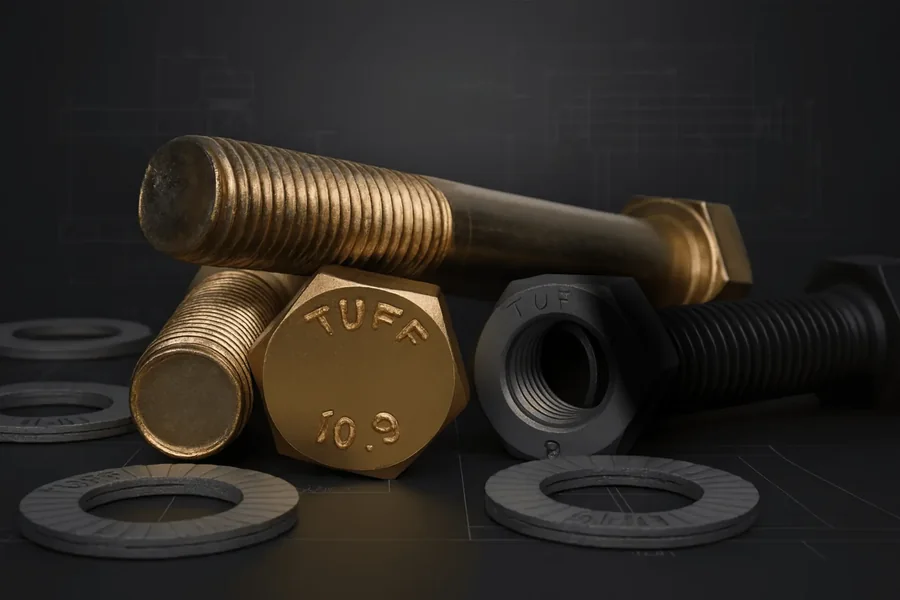
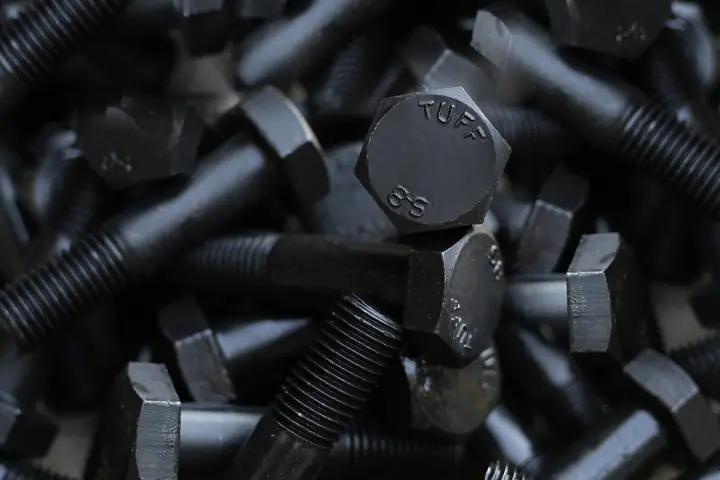
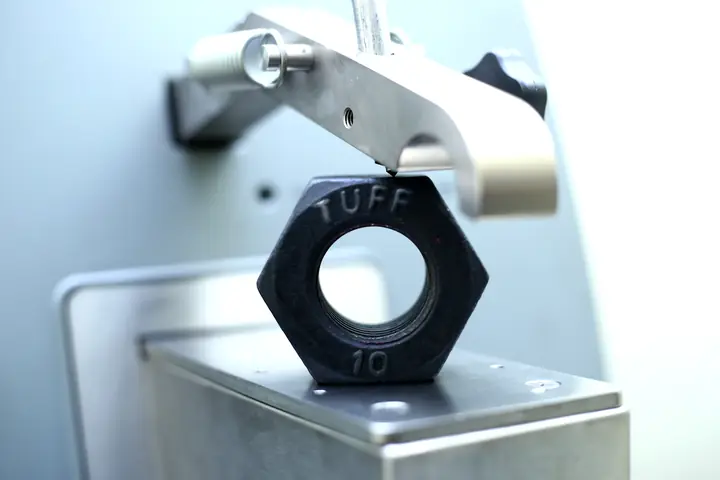
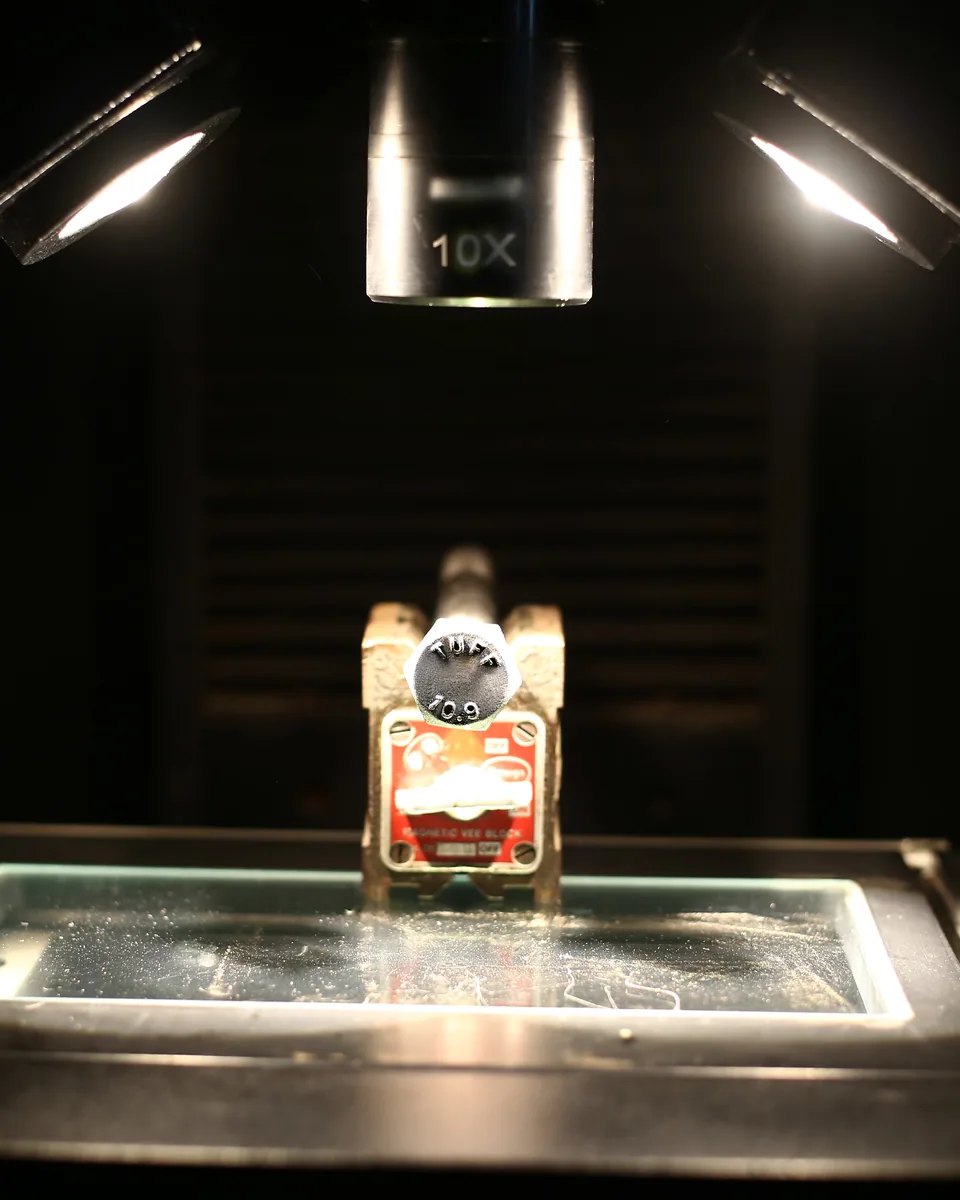
ISO 898-1 requires hexagon bolts from M5 upward to carry the property class and the manufacturer's identification mark on the head. TUFF bolts are marked TUFF with the class, for example TUFF 10.9, so the bolt can be traced to its maker and checked against the test certificate.
ISO 10684 covers hot-dip galvanizing of fasteners from M8 to M64 up to class 10.9, with nuts tapped oversize after galvanizing. Parts of 320 HV hardness and above need controlled pickling to limit hydrogen. ASTM F3125 Grade A490 bolts must not be hot-dip galvanized.
Electroplating can introduce hydrogen into hardened steel. ISO 4042 calls for baking after plating, which reduces the risk but does not remove it. For 10.9 and 12.9 bolts, a non-electrolytic zinc flake coating to ISO 10683 avoids plating hydrogen; TUFF supplies zinc flake finishes, including DISGO®.
A 3.1 inspection certificate is issued by the manufacturer's authorised inspection representative, independent of production, and reports the actual test results for the lot. A 3.2 certificate is in addition validated by the purchaser's representative or a third-party inspector.
Check that the head marking (maker's mark and class) matches the test certificate and the heat number. Mechanical tests are hardness, proof load and wedge tensile to ISO 898-1 or ASTM F606. For structural assemblies, ask for the rotational capacity test of ASTM F3125 or the suitability test of EN 14399-2.
General information based on the cited standards. Not design advice: confirm against the current standard, the project specification and the engineer responsible for the joint.
Tests available in our lab
Lots inspected on customer orders by
Contact · Sales & technical
Item, standard or drawing, size, grade, finish and quantity. We reply with a technical review and offer.
sales@tuffbolt.comUnit-1, 13-B, Friends Industrial Estate, Focal Point, Ludhiana 141010, Punjab, India
Google Maps ↗Office No. 409, 4th Floor, DLF Towers, Shivaji Marg, Moti Nagar, New Delhi 110015
Google Maps ↗Fourth Floor, Lodhi Tower, The Mall Road, Civil Lines, Ludhiana 141001, Punjab
Google Maps ↗